Hand Holding Rose Bouquet One Line Art
I have reviewed hundreds of line art designs over the years, and I can tell you within seconds whether a design has that quiet emotional pull that makes someone stop scrolling. Hand Holding Rose Bouquet One Line Art has it. The first time I opened the file, I immediately pictured it stitched onto a cream linen tote bag, the kind of product that sells itself at a weekend craft market because the imagery feels personal without being overly sentimental. There is a softness here, a gentle restraint that works beautifully for embroidery projects where the message matters more than the noise.
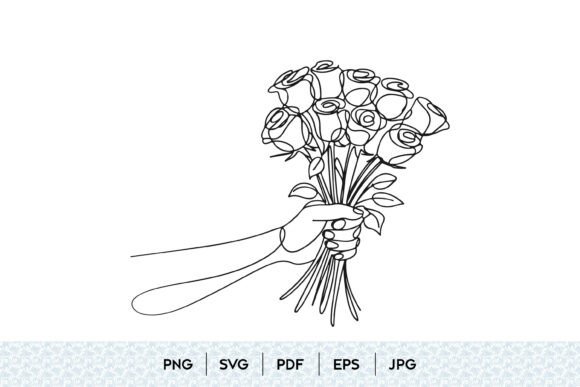
What makes this particular design stand out is how the single continuous line shapes both the hand and the bouquet without ever feeling rushed or incomplete. The rose blooms are suggested rather than fully drawn, and the fingers curl around the stems with a natural, unposed grace. For anyone who creates handmade products, especially in the gift and keepsake space, this kind of visual language translates directly into buyer trust. People recognize the emotion before they even read the product description.
First Impressions Matter More Than You Think
When I evaluate a design like Hand Holding Rose Bouquet One Line Art from the Illustrations category, I am not just looking at how it appears on screen. I am thinking about how it will behave under the needle, how the thread will lay on different fabric textures, and whether the finished product will look as clean as the digital preview promises. The Graphics classification here is accurate, but this design reads more like a fine art sketch than a typical vector asset. That is a good thing for embroidery.
The minimalist nature of the one line drawing means there is no visual clutter to fight with. Every curve serves a purpose. The hand and the bouquet share a single flowing path, which creates a sense of connection and intimacy. I have seen similar designs get overly complicated with extra leaves or decorative swirls, but this one stays disciplined. For embroidery designers, that discipline is a gift. It means fewer jumps, fewer trims, and a cleaner stitch path when you convert the artwork into a machine embroidery design.
How This Design Performs In Real Embroidery Projects
Let me walk you through a real scenario. I recently prepared a batch of custom embroidered sweatshirts for a small boutique client who wanted something romantic but understated for a Valentine's release. The brief was simple: no hearts, no glitter, no loud typography. I tested several line art designs, and Hand Holding Rose Bouquet One Line Art was the one that made the client pause and say, "That is exactly the feeling I want."
We stitched it onto a soft heather gray sweatshirt using a single shade of deep burgundy thread. The result was striking in its quietness. The one line drawing translated into a smooth running stitch that followed the contours of the hand and the rose petals with remarkable precision. Because the design is relatively open and airy, the fabric still breathed underneath the stitches, which matters a lot for wearable items. Nobody wants a stiff, bulletproof patch of embroidery on their chest.
I can see this design working equally well on tote bags, canvas pouches, linen pillow covers, and even lightweight baby blankets. The scale is flexible enough to adapt to different hoop sizes, though I would caution against shrinking it too aggressively. When you reduce a one line design below a certain threshold, those delicate rose petals can start to blur together. Test it on scrap fabric first, always. I recommend stitching a sample at your intended size and checking how the lines read from a normal viewing distance.
Fabric Choices And Surface Considerations
One of the first things I think about with any line art embroidery project is the fabric surface. Hand Holding Rose Bouquet One Line Art has an elegant, uninterrupted flow that shines on smooth, stable fabrics. Think cotton canvas, linen blends, quality quilting cotton, and midweight denim. The design feels crisp and intentional on these surfaces. On highly textured fabrics like terry cloth or thick fleece, the continuous line can lose some of its definition. The hand shape might still read clearly, but the finer rose details could become less distinct.
Stretchy fabrics require extra care, as they always do with embroidery. If you plan to stitch this onto a t-shirt or a baby onesie, use a proper cutaway stabilizer and consider hooping the fabric with a layer of water-soluble topping to prevent the stitches from sinking into the knit. The design itself is not dense, so you are not fighting heavy fill stitches, but any pulling or distortion will be immediately visible in a single line drawing. The eye follows the path naturally, and any wobble stands out.
Dark fabrics present another consideration. The line art reads beautifully on light and medium backgrounds, but on black or navy, you will need to choose a thread color that pops without looking harsh. I have tested similar designs with metallic gold thread on deep charcoal, and the effect is stunning. A soft cream or blush pink on a dark olive canvas tote also creates a gorgeous contrast. Before committing to a full production run, stitch a small test patch and check the thread color under different lighting conditions.
Where This Design Truly Belongs
If you are an Etsy seller or a small shop owner looking for designs that feel premium and giftable, Hand Holding Rose Bouquet One Line Art belongs in your product lineup. I would position this on items that carry emotional weight. Personalized wedding gifts, anniversary keepsakes, Mother's Day bundles, and memorial remembrance pieces all make sense here. The hand holding the bouquet reads as a gesture of offering, of care, of connection. That is powerful branding material for a handmade business.
I have also seen designs like this used beautifully on kitchen towels, aprons, and tea towels sold in boutique home goods shops. The simplicity of the line art keeps the product from feeling too fussy or overly decorated. It whispers rather than shouts. For a craft fair table, a stack of linen towels each embroidered with this design in a different soft color would stop people in their tracks. The perceived value goes up because the design looks intentional and artistic, not like a generic stock image hastily digitized.
Small Details That Make A Big Difference
Let me talk about the rose bouquet itself. The one line approach means the individual flowers are suggested through looping, overlapping curves rather than distinct petal shapes. In embroidery, this translates to a flowing rhythm that feels organic. The stems descend naturally into the hand, and the fingers wrap around them with just enough detail to read clearly. I particularly appreciate how the thumb and forefinger create a small oval of negative space where the bouquet meets the hand. That tiny detail adds depth and realism without breaking the one line rule.
When you digitize or convert this design for machine embroidery, pay close attention to those overlapping curves. If the stitch density is too high, the lines can merge and lose the airy quality that makes the design special. A lighter running stitch or a delicate satin stitch path works better than a heavy fill. I have found that a single pass with a slightly thicker thread, such as a 40-weight polyester, gives the line enough presence without overwhelming the fabric. Test your settings and be willing to adjust.
Practical Notes For Embroidery Designers And Small Business Owners
Before you list a finished product using Hand Holding Rose Bouquet One Line Art, there are a few practical steps I always recommend taking. First, confirm the file formats you received. The product description lists SVG, PNG, EPS, JPG, and PDF, which gives you plenty of flexibility for digitizing, creating mockups, and preparing print materials. The SVG and EPS files are particularly useful if you need to scale the artwork or adjust colors before conversion.
Second, check the licensing terms. The product is categorized under Illustrations and Graphics, which suggests it is intended for use in design projects, but you need to verify whether commercial use for finished physical products is allowed and whether any attribution or extended license is required. I never assume. I always read the terms before I stitch a single item for sale.
Third, create a black and white mockup of the design at your intended embroidery size. Print it out and place it on the actual product you plan to sell. Step back and look at it from a few feet away. Does the hand shape read clearly? Do the roses look like roses, or do they blur into an indistinct loop? This simple test saves hours of stitching time and wasted materials. I have caught scaling issues this way more times than I can count.
Color Selection And Thread Choices
One of the joys of working with a minimalist design is the freedom to play with thread color. Hand Holding Rose Bouquet One Line Art does not demand a specific palette. You can stitch it in classic black for a timeless look, soft blush for a romantic feel, deep forest green for an earthy botanical vibe, or even a bold coral for a modern pop of color. The design adapts to your brand aesthetic rather than forcing you into a predetermined look.
For holiday embroidery projects, I have used similar line art designs in metallic gold and silver on rich velvet pouches and linen napkins. The result feels elevated and celebratory without being gaudy. If you sell seasonal products, this design could easily carry through multiple holidays with just a thread color change. Valentine's Day in red, Christmas in gold, spring collections in pastel lavender or sage. That versatility adds real value to your design library.
When To Use Caution And Double Check
No design is perfect for every situation, and Hand Holding Rose Bouquet One Line Art has its limitations. I would avoid using it on very small hoops where the line work compresses too tightly. The rose bouquet needs breathing room. I would also be cautious with caps and hats, where the curved surface can distort the continuous line and make the hand shape look warped. If you must stitch on a curved surface, test the positioning thoroughly and adjust your hooping technique.
Layered garments, such as jackets with multiple fabric panels or zippered hoodies, can also pose challenges. The embroidery hoop needs a flat, stable surface to achieve clean results. If the design crosses a seam or a zipper, the line can shift and break the visual flow. Plan your placement carefully. For baby items, consider the size and placement so the design does not overwhelm the garment. A tiny onesie might look better with a scaled-down version placed near the chest or along the hemline.
Frequent washing is another factor. A delicate running stitch design like this one benefits from gentle care. If you are selling products that will go through regular machine washing, choose a high-quality thread and a reliable stabilizer. I often include a small care instruction card with my embroidered products, and I recommend my clients do the same. It protects the customer's purchase and reflects well on your brand.
Final Thoughts From The Stitching Table
After working with Hand Holding Rose Bouquet One Line Art across several test projects, I can confidently say it earns its place in a serious embroidery designer's collection. It is not flashy, but it does not need to be. The emotional clarity, the clean composition, and the sheer adaptability of the design make it a quiet workhorse for handmade products that sell on meaning rather than decoration.
For Etsy sellers, craft business owners, and apparel decorators who want to offer something that feels personal and tender, this design delivers. It stitches cleanly, scales reasonably well, and gives you room to express your own creative voice through color and fabric choices. Whether you are preparing a batch of embroidered tote bags for a spring market, stitching a custom sweatshirt for a client, or building a new product line around thoughtful minimalism, Hand Holding Rose Bouquet One Line Art is a design worth testing, refining, and proudly showing to your customers.
Always test on scrap fabric first. Always confirm your licensing. And always trust your instincts about what will resonate with the people who buy your work. Sometimes the simplest line says the most.