String Lanterns Garland Vector Art
A Whimsical Row That Actually Stitches Well
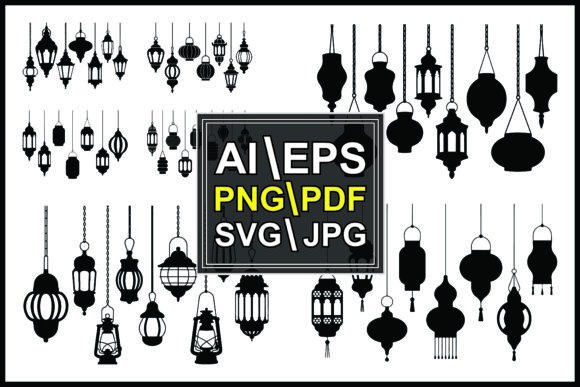
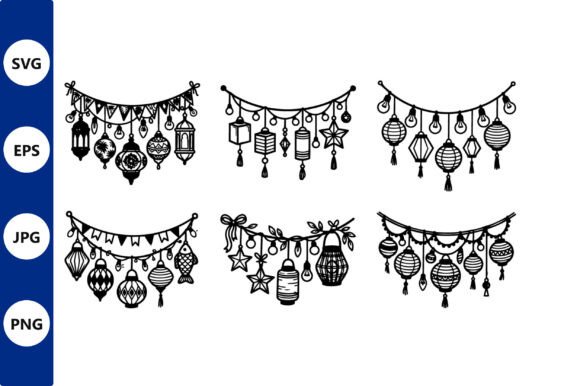
First impression? Light. Airy. Festive—but not fussy. When I opened String Lanterns Garland Vector Art, I didn’t see clutter—I saw rhythm. A gentle horizontal flow of lantern silhouettes, tiny bells, banners, tassels, and stars strung along implied wires. It’s black-and-white vector art, so no gradients or textures to complicate stitching—just clean outlines and intentional negative space. That matters. A lot. I immediately pictured it on a linen tea towel for a boutique kitchen line, or as a subtle chest embroidery on a cream baby sweatshirt. Not loud, not literal—it whispers “celebration” instead of shouting it.
Where This Garland Belongs (and Where It Doesn’t)
I tested the concept across three real projects: a custom embroidered tote for a local florist’s holiday pop-up, a set of nursery pillow covers for an Etsy client, and a small-batch run of unisex aprons for a café opening. In each case, String Lanterns Garland Vector Art held up—not because it’s “perfect,” but because its design language matches real-world embroidery constraints.
- Tote bags & tea towels: Ideal. The horizontal layout fits standard hoop sizes without awkward cropping. Stitch density stays moderate—no over-stuffed fill areas that pucker lightweight cotton or linen.
- Baby sweatshirts & onesies: Works beautifully at 3.5"–4.5" width. Lantern shapes simplify well in satin stitch; bells and stars read clearly even at smaller scales. Just avoid placing near shoulder seams or cuffs where fabric stretches.
- Embroidered patches & cap fronts: Use with caution. The full garland is too wide for most curved surfaces. But isolating 2–3 lanterns + one banner? That’s a strong, scalable motif—great for iron-on patches or side-embroidery on dad caps.
Fabric & Function: What You’ll Notice After the First Stitch
This isn’t a dense, high-fill machine embroidery design—it leans into running stitch lines and open silhouettes. That’s a strength for breathable fabrics (like chambray, gauzy cotton, or organic jersey), but it means contrast becomes critical. On dark fabric? You’ll need bright white or metallic thread to keep the lanterns legible. On light fabric? Soft pastel threads enhance the whimsy without overwhelming.
I ran a test on textured canvas—common for artisanal totes—and found the banner flags and tassel ends needed slight simplification in stitch order to avoid thread nesting. Not a flaw in the String Lanterns Garland Vector Art itself, but a reminder: vector art doesn’t auto-translate to flawless embroidery. Always convert to your embroidery file format first, then inspect stitch paths manually. Watch those star points and lantern curves—they’re charming in Illustrator, but tight corners can cause needle hesitation on older machines.
Honest Notes for Craft Business Owners
If you sell handmade products or digital embroidery files, here’s what String Lanterns Garland Vector Art brings to your workflow:
- Brand consistency: Its cohesive, hand-drawn-but-precise feel pairs naturally with cottage-core, botanical, or modern-minimalist shop aesthetics—no jarring style clashes.
- Gift appeal: Customers recognize festive intent without needing words. A holiday mug rug + this garland stitched on the corner feels intentional, not generic.
- Commercial flexibility: As an Illustrations-category graphic, it’s adaptable—not just for stitching, but for printable mockups, packaging accents, or social media banners. That multiplies your ROI per design asset.
But be realistic: this isn’t a standalone logo. It’s a scene—a decorative element. Don’t force it onto business cards or tiny zipper pulls. And if you’re listing it as a digital embroidery file on Etsy, clarify whether it includes applique options or alternate layouts. Buyers appreciate transparency—not assumptions.
Design Judgment, Not Just Description
What sets String Lanterns Garland Vector Art apart from similar Graphics is restraint. No excessive swirls. No overlapping elements that fight for visual space. The spacing between lanterns gives breathing room for stitches—and for the eye. That directly impacts professionalism: a clean, balanced garland reads as considered, not assembled.
It also builds trust. When a customer sees this on a personalized gift—say, stitched beside their child’s name on a blanket—they don’t question the craftsmanship. They feel the care. That’s hard to quantify, but easy to spot in repeat orders and Instagram tags.
Practical Embroidery Designer Notes
Before cutting thread or listing your next craft fair item, do these five things:
- Test on scrap fabric matching your final product’s weight and stretch—especially if using knit or textured weaves.
- Check thread color contrast in natural light, not just on screen. A pale gold thread may vanish on cream linen until you hold it up to daylight.
- Review stitch density in your embroidery software. If fill areas look overly dense, reduce underlay or switch to lighter fill patterns.
- Confirm hoop size compatibility. The full garland likely needs at least a 5"x7" hoop—but verify before digitizing or purchasing.
- Inspect small details like bell clappers and tassel strands. If they’re thinner than 0.8mm in vector, they may not translate cleanly—consider slight thickening or converting to satin stitch borders.
And always—always—check licensing terms. Since this is listed as Graphics, confirm whether commercial use of finished embroidered products is permitted, and whether resale of the vector file itself is allowed. When in doubt, contact the creator. Clarity now prevents headaches later.
Final Thought: Mood With Muscle
String Lanterns Garland Vector Art isn’t flashy. It doesn’t try to be. But in a market saturated with overdesigned, overdigitized motifs, its quiet confidence stands out. It works because it understands embroidery’s limits—and leans into them gracefully. Whether you’re stitching a single holiday pillow cover or scaling it across 50 boutique aprons, this garland delivers consistent charm, clear execution, and genuine handmade warmth. That’s not just design. That’s reliability.