Plumeria Flower Border SVG
A Tropical Touch That Stitches Like a Dream—If You Use It Right
I tested the Plumeria Flower Border SVG last week on a custom embroidered linen tote bag for a boutique client—soft, natural fabric, medium-weight, no stretch. The design arrived in one clean zip: PNG (300 ppi), JPG, EPS, SVG, and PDF. No embroidery files included—but that’s expected, since this is an illustration, not a pre-digitized machine embroidery design. As a designer who regularly converts graphics for real-world stitching, I treated it like raw material: beautiful, intentional, and full of potential—if handled with care.
First Impression: Graceful, Not Fussy
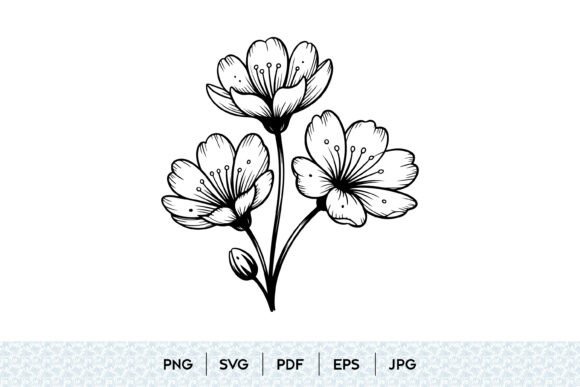
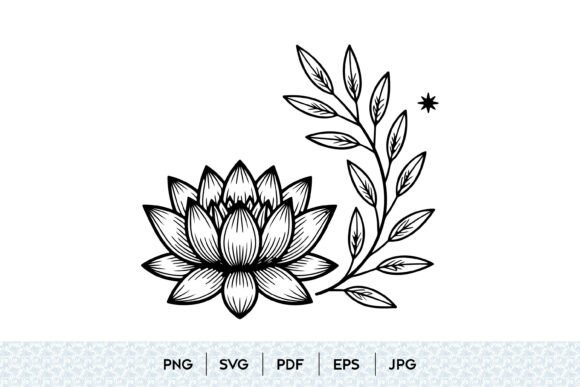
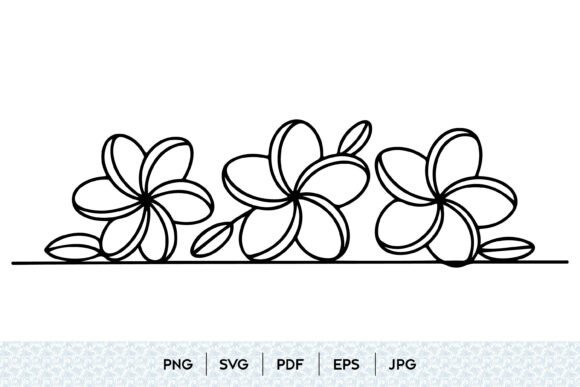
The border features three plumeria blooms spaced evenly, each with soft petal curves and subtle veining, paired with flowing, asymmetrical leaves. It’s elegant without being stiff—tropical but refined. There’s no heavy outlining or dense fill; instead, it leans into negative space and clean silhouettes. That tells me right away: this isn’t a “fill-the-entire-hoop” statement piece. It’s a frame. A whisper of island calm on a baby onesie cuff. A polished accent along the hem of a cotton apron. A quiet signature on a holiday tea towel.
What stood out most? Its rhythm. The spacing between blooms feels intentional—not mathematically even, but visually balanced. That matters when you’re stitching across curved surfaces like cap brims or pillow corners. Too-rigid symmetry fights fabric drape; this flows with it.
Where It Shines—and Where It Needs Guardrails
This Plumeria Flower Border SVG excels as a design asset for small business owners building cohesive product lines. I used it to mock up a set of nursery decor items: a muslin swaddle, a cotton knit bib, and a linen wall hanging. In every case, the border translated beautifully into printable mockups—and more importantly, into realistic stitch simulations using my digitizing software.
- Custom apparel: Works best on relaxed-fit sweatshirts and lightweight t-shirts—especially near hems or sleeve cuffs. Avoid tight knits or highly textured fleece unless you add light tear-away stabilizer underneath.
- Embroidered patch: Ideal base shape for a fused or sew-on patch. The open leaf forms hold up well in satin stitch, and the petals read clearly at 2.5"–4" width.
- Baby embroidery: Gentle enough for delicate fabrics—just keep stitch density moderate and avoid tiny interior details if stitching on gauzy bamboo blends.
- Holiday embroidery & wedding gifts: Paired with soft ivory thread on sage linen, it reads as heirloom-quality—not trendy, but timeless. Perfect for monogrammed kitchen towels or guest-book covers.
But here’s where judgment matters: this isn’t a plug-and-play machine embroidery design. It’s a graphics file—beautiful, yes, but requiring thoughtful translation. On dark fabric, the fine leaf stems can disappear unless digitized with slight outline reinforcement. On stretchy fabric like jersey, those graceful curves may distort without proper cutaway stabilizer. And on curved surfaces like caps? Test the outermost bloom placement first—it’s easy to lose definition where the fabric bends.
Design Integrity Meets Real-World Wear
One thing I appreciate about this Plumeria Flower Border SVG: it doesn’t overpromise. It doesn’t try to be hyper-detailed or photorealistic. That restraint pays off in the finished product. When stitched, it avoids the “busy” look that overwhelms handmade goods—especially personalized gifts or boutique merchandise. Customers respond to clarity, not clutter. A clean plumeria border on a hand-stitched pillow cover says “thoughtful,” not “overdesigned.”
It also supports brand consistency. If you sell coastal-themed kitchen goods or botanical baby items, this border becomes part of your visual language—repeatable, recognizable, and scalable. Use it as a header on digital product previews, then stitch it identically on physical items. That continuity builds trust.
Practical Notes Every Embroidery Designer Should Check
Before digitizing or stitching:
- Test on scrap fabric first—especially if using textured weaves or dark backgrounds.
- Review stitch density in your embroidery software. Those delicate leaf tips shouldn’t become fragile single-thread runs.
- Confirm hoop size compatibility. At full width (approx. 6–7"), it fits standard 5x7 hoops—but shrink it too far, and petal definition blurs.
- Inspect small details in both black and white mockups. Does the center of each bloom still read as intentional, not accidental?
- Compare light and dark fabric backgrounds. Some versions may need subtle shadow layers added digitally for depth on light fabrics—or crisp outlines on darks.
- Use proper stabilizer: medium-weight cutaway for knits, tear-away for stable wovens, and lightweight fusible for sheer layers.
- Verify licensing before selling finished items or bundling the SVG as part of a digital embroidery file pack. This is a Graphics file—commercial use terms depend on the seller’s license, not the format.
Final Thought: A Quiet Anchor for Your Creative Work
The Plumeria Flower Border SVG won’t shout. It won’t dominate a design—it’ll elevate it. That’s rare. In a market flooded with loud, trend-chasing motifs, this border offers quiet confidence. It works for Etsy sellers launching their first line of embroidered napkins, for craft fair vendors stitching custom aprons, and for apparel decorators adding subtle flair to boutique sweatshirts. It’s not flashy—but it’s memorable. And in handmade work, that’s what lasts.
If you value intention over intensity, clarity over clutter, and timelessness over trends—this Illustrations file earns its place in your design assets library. Just remember: it’s the beginning of the story, not the end. Your digitizing choices, fabric pairings, and thread selections will determine whether it becomes a forgettable border—or the quiet signature your customers remember.